Center Certification & Testing International

Project Introduction
Torque test is to check the mechanical properties of metal fasteners, including the torque resistance of bolts, screws and studs. The purpose of testing is to test the torque resistance of bolts and nuts.
The breaking torque refers to the torque when a bolt, screw, etc. are sheared under this torque.
The maximum installation torque can be understood as the maximum force that can be used to tighten the screws during installation.
The torque test is mainly applicable to bolts and screws that cannot carry out the tensile test.
Guideline
GB/T 3098.1-2010 Mechanical properties of fasteners Bolts, screws and studs
GB/T 3098.13-1996 Mechanical properties of fasteners Torque test and breaking torque of bolts and screws
GB/T 3098.10-1993 Mechanical properties of fasteners Bolts, screws, studs and nuts made of non-ferrous metals
ASTM F606/F606M-2016 Standard Test Method for Measuring the Mechanical Properties of Internal and External Threaded Fasteners, Washers, Direct Tension Indicators, and Rivets
ISO 898-7:1992 Mechanical properties of fasteners. Part 7: Torque test and minimum torque of bolts and screws with a nominal diameter of 1 mm to 10 mm
ISO 8839:1986 Mechanical properties of fasteners. Bolts, screws, studs and nuts made of non-ferrous metals
GB/T 3098.6-2000 Mechanical properties of fasteners Stainless steel bolts, screws and studs
ISO 3506-1:2009 Mechanical properties of corrosion-resistant stainless steel fasteners
Applicable product range
Detection range: screws, nuts, bolts, screws, high-strength bolts, etc.
experiment method
The error of all length measurements should not be greater than ±0.05mm. For all tensile tests, a machine that can automatically center the chuck should be used to avoid any lateral load on the test piece. The lower chuck used for the test shall be a hardened thread chuck, its hardness shall not be less than 45HRC, and the tolerance of the internal thread shall be 5H6G.
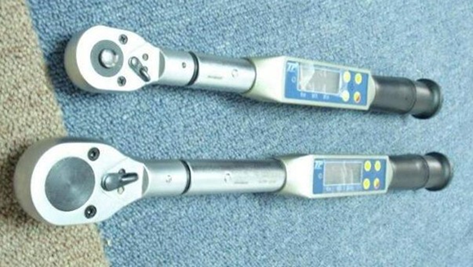
Insert the bolt or screw test piece into the test fixture with at least two full threads, and at least one thread diameter should be left between the fixture and the bolt or screw head, and then clamp; continuous and smooth application of torque.

Label printers entering the Brazilian market, ANATEL certification is an essential passport! It is the recognition of the Brazilian Telecommunications Authority for the safety and compliance of electronic products, without which products cannot be legally sold.
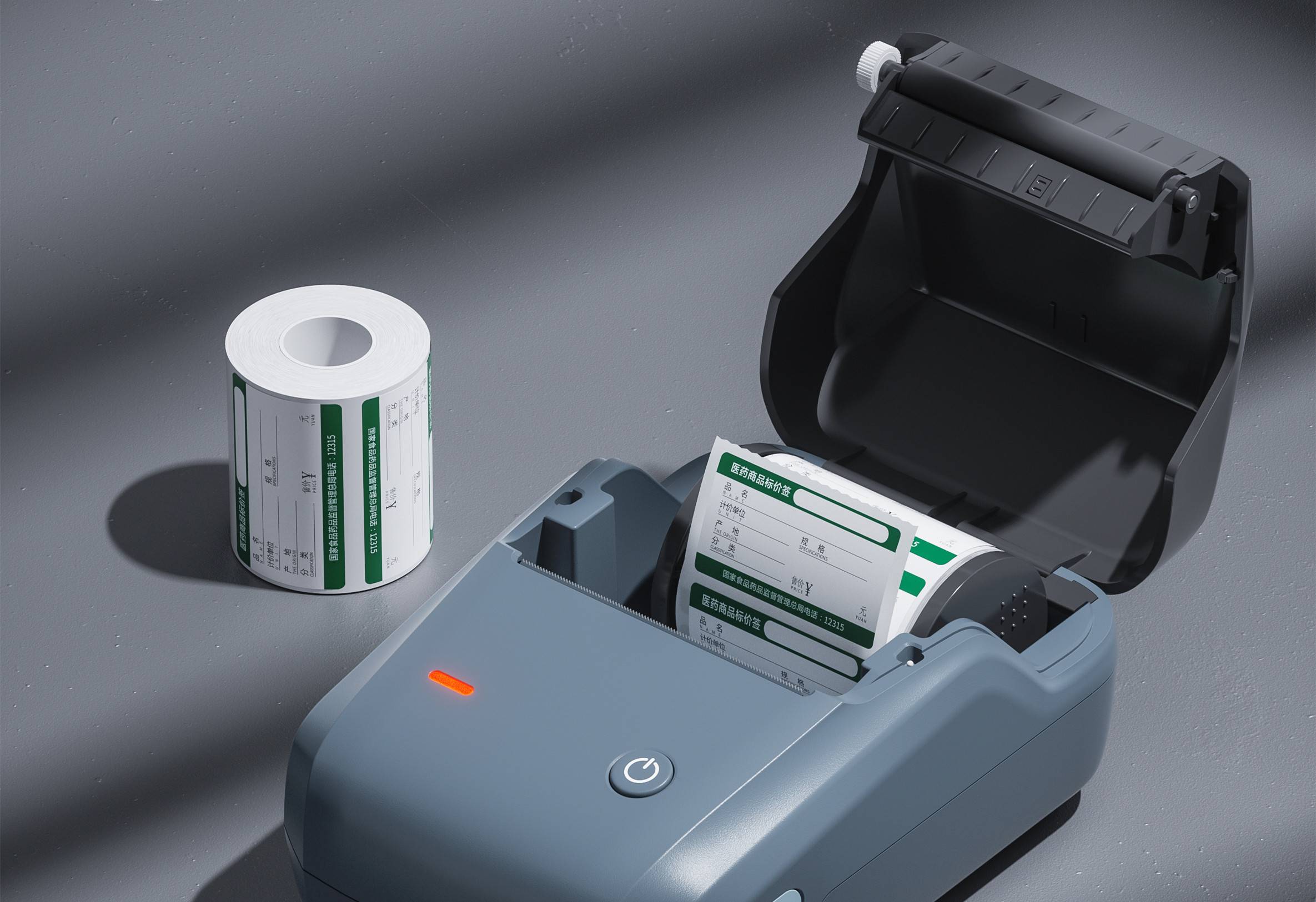
SRRC certification is not only a guarantee of product compliance, but also a key to opening up the market.
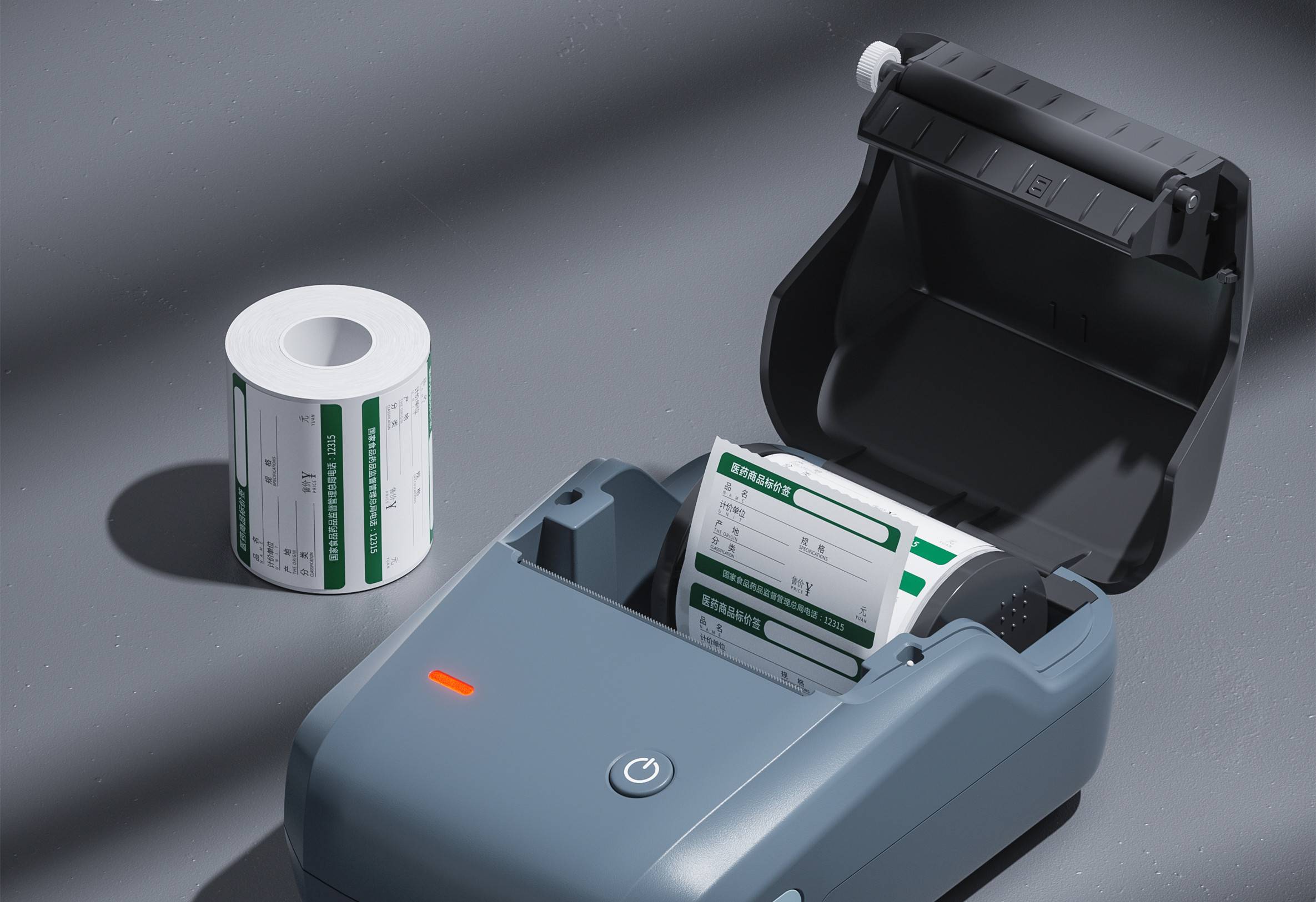
FCC ID certification is a mandatory certification for electronic products by the Federal Communications Commission (FCC) in the United States, and it is essential for label printers to obtain this certification.
Torque test is to check the mechanical properties of metal fasteners, including the torque resistance of bolts, screws and studs. The purpose of testing is to test the torque resistance of bolts and nuts.
Get a quote

Tik Tok