Center Certification & Testing International
basic introduction
In Japan, toys for children under the age of 6 and products that can be placed in the mouth must be complied with the requirements of the Japan Food Hygiene Law (JSFL) to ensure product safety. Toy manufacturers, retailers or importers who want to enter the Japanese market must prove compliance with the Japan Food Hygiene Law (JFSL) and obtain an official testing laboratory certification from the Ministry of Health, Labour and Welfare (MHLW).
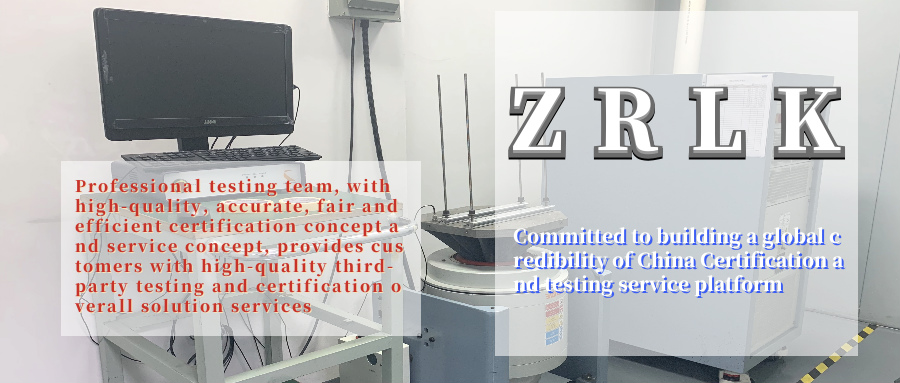
ZRLK is an independent third-party testing laboratory, widely recognized worldwide, and is recognized by the Ministry of Health, Labour and Welfare (MHLW) of Japan
The official laboratory can provide comprehensive testing and certification services in accordance with the Japan Food Hygiene Law (JSFL). The test report issued by ZRLK is approved by Japan Customs and Japan Quarantine Station.
ST Standard-ST Mark Program
The Japan Toy Safety Standard (ST Standard) was developed by the Japan Toy Association (JTA) and provides additional safety protection for toy manufacturers, retailers and customers who intend to play with children under the age of 14 through the ST Mark Program. STC has also been recognized and approved by JTA's designated overseas testing laboratory in Hong Kong:
Article 11-Basic Principles of Toy Safety Standards and Toy Safety Marks Program,
Test Category: Toy Safety Standard Part 3-Chemical Properties
Part III-Chemical properties include
Evaporation residue
formaldehyde
Heavy metals
Pigment migration
phenol
Potassium permanganate consumption
Phthalates (BBP, DBP, DEHP, DIDP, DINP&DNOP)
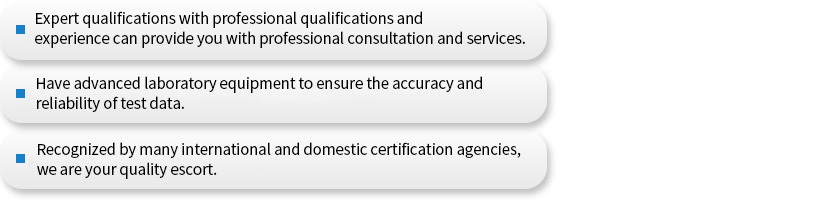
Label printers entering the Brazilian market, ANATEL certification is an essential passport! It is the recognition of the Brazilian Telecommunications Authority for the safety and compliance of electronic products, without which products cannot be legally sold.
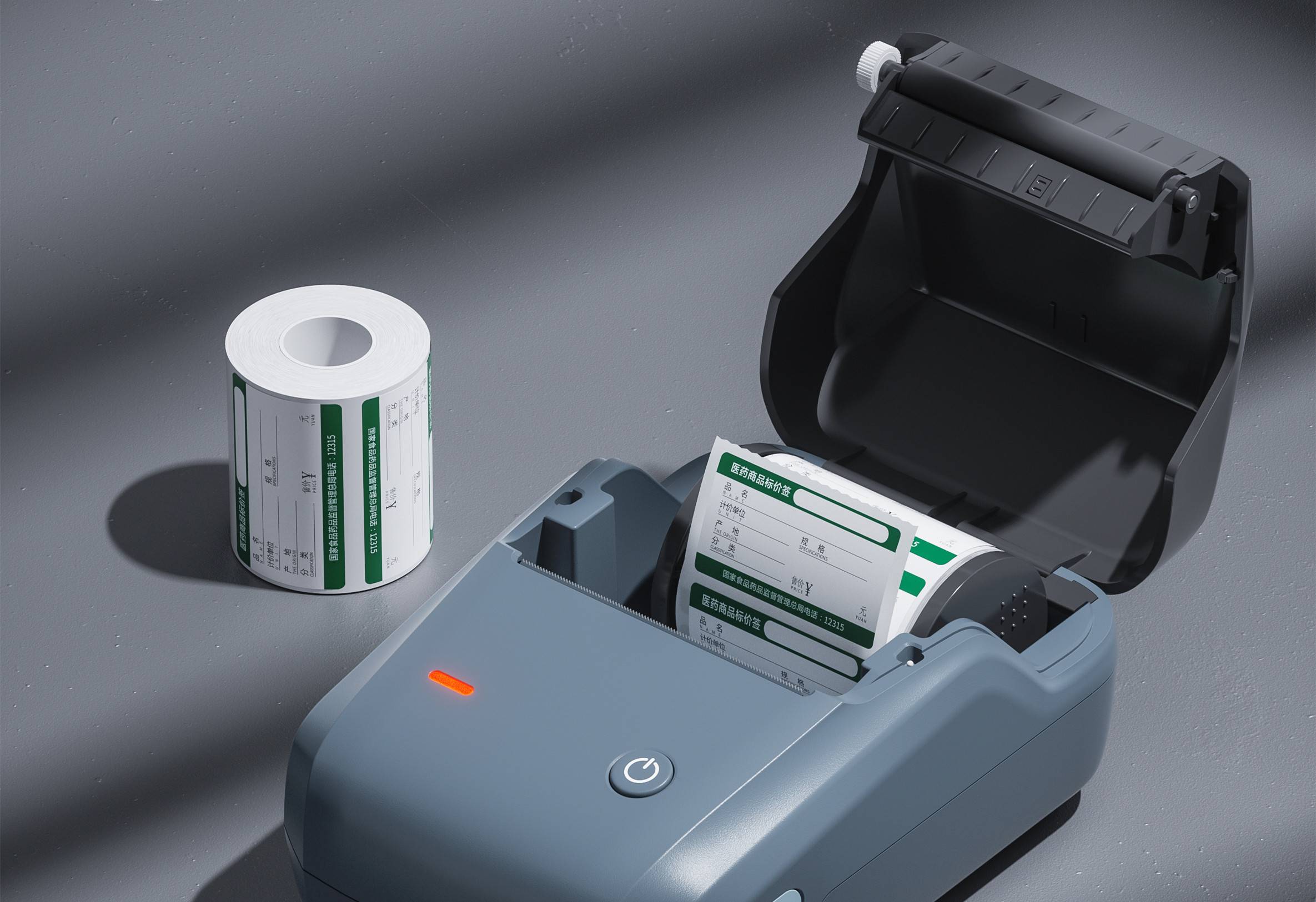
SRRC certification is not only a guarantee of product compliance, but also a key to opening up the market.
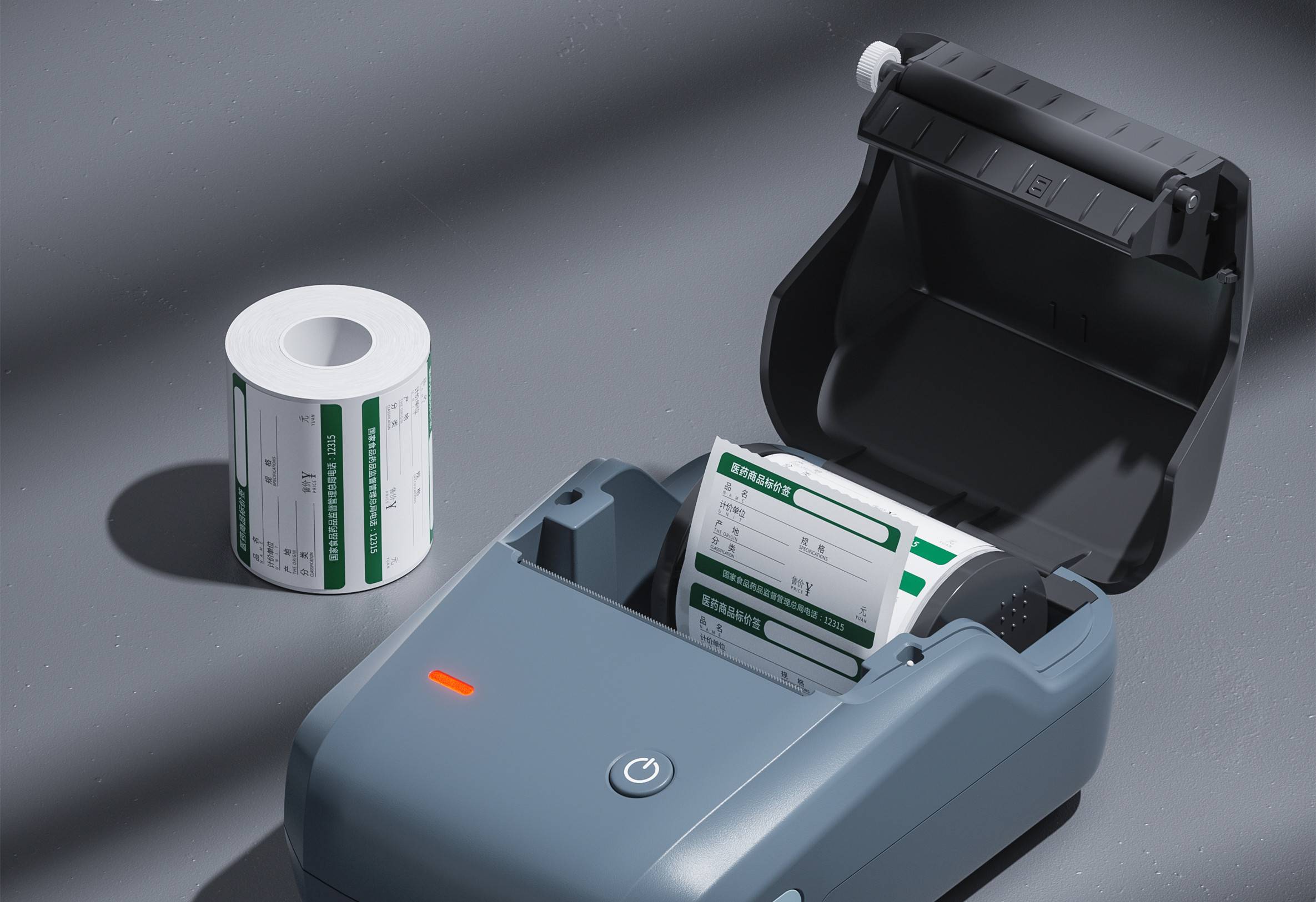
FCC ID certification is a mandatory certification for electronic products by the Federal Communications Commission (FCC) in the United States, and it is essential for label printers to obtain this certification.
In Japan, toys for children under the age of 6 and products that can be placed in the mouth must be complied with the requirements of the Japan Food Hygiene Law (JSFL) to ensure product safety.
Get a quote

Tik Tok