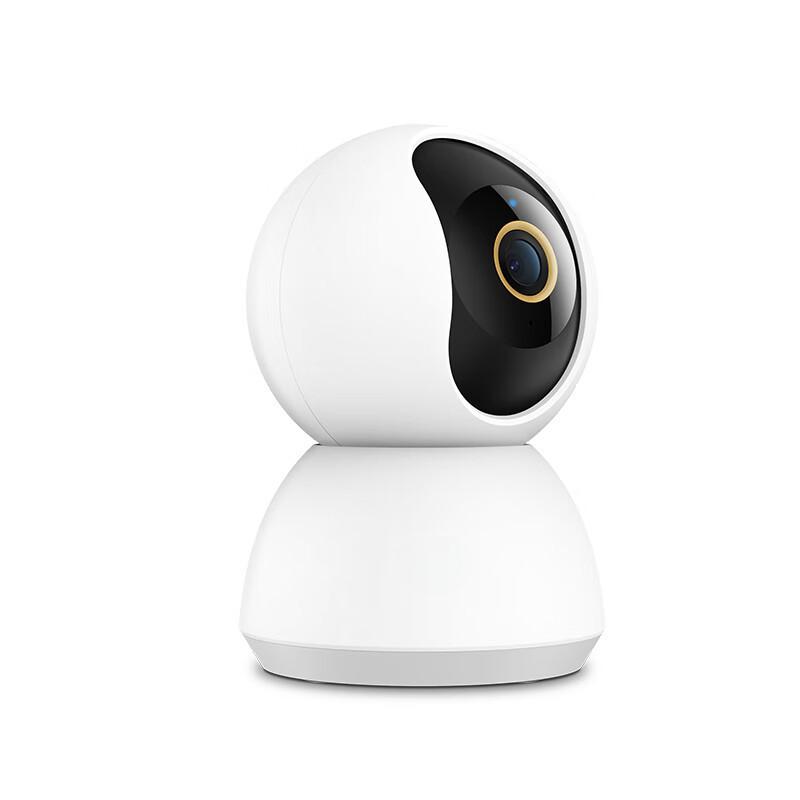
The demand for domestic and commercial surveillance equipment in South Korea has remained stable. Wireless cameras, with their advantages of no wiring, remote networking, and night vision monitoring, have become popular security accessories for exports to South Korea. However, many foreign exporters who have just started doing business in South Korea often encounter problems in the compliance process. Wireless cameras with WiFi transmission modules are strictly regulated as radio frequency electronic products in South Korea. Exporting to South Korea requires obtaining KC certification, which is a mandatory legal requirement and cannot be bypassed by simply submitting a regular inspection report. Goods without compliance certification may face penalties, suspension of sales, or even confiscation of goods due to customs detention. This is a waste of inventory costs and logistics expenses, and it is truly not worth it.
Many manufacturers often confuse the KC certification of wireless cameras with that of ordinary household appliances and power adapters. In fact, the core requirements of the two are quite different. The KC certification of ordinary electrical products only needs to verify basic electrical safety, while wireless cameras fall under dual control categories. They must pass the Korean KC 62368 electrical safety standard, verify basic items such as power supply stability, leakage prevention, and high-temperature resistance, and also need to conduct additional radio frequency spectrum compliance tests to strictly control wireless transmission frequencies and power, prevent interference with Korean civilian communication frequency bands, and test electromagnetic stability during long-term monitoring operation to avoid affecting the normal operation of surrounding appliances and public equipment. This is a unique certification focus for wireless surveillance products. Failing to test any of these items is unacceptable.
The actual process of obtaining KC certification does not require complex procedures. Focusing on the core details can help avoid unnecessary detours. First, check the product configuration. Models with WiFi wireless networking must complete both electrical safety and radio frequency tests simultaneously. Do not simplify or omit any items. Overseas manufacturers must also ensure they have local Korean agent information in place, which is a mandatory threshold for KC certification. Without this information, the review process cannot be advanced. Prepare and produce samples that are exactly the same as the production specifications, along with Korean language product manuals, circuit diagrams, and module parameter materials. Entrust a third-party laboratory recognized by KATS to start the test. The regular cycle is 4-6 weeks. Even if the test is不合格, you can rectify and retest according to the specific plan provided by the laboratory without having to completely rework everything.
When doing export business to South Korea, these three frequent misunderstandings must be avoided: First, only doing basic electrical safety certification and deliberately omitting the radio frequency special test, resulting in the certification directly becoming invalid; Second, the wireless modules and power supply parameters of the samples and production machines are inconsistent. Subsequent regulatory inspections will catch any discrepancies precisely; Third, the KC labels are attached carelessly, with incorrect sizes or too concealed positions. Customs on-site inspections will be stuck. By fully and properly conducting KC certification, you can not only smoothly clear customs and enter the market, but also enhance the credibility of your products in the South Korean security market. Firmly holding the compliance bottom line for exports to South Korea.